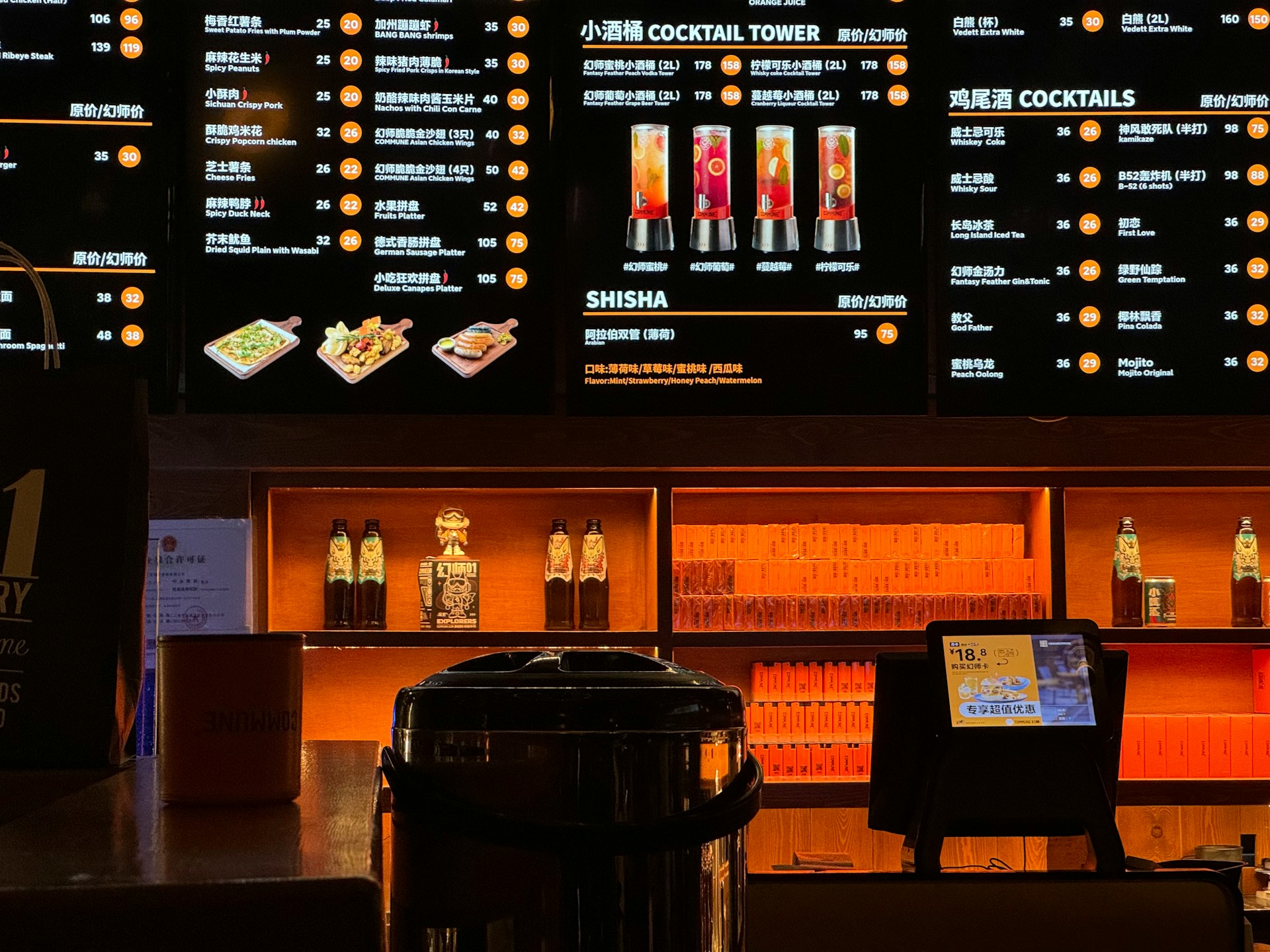
Looking for fresh bar menu ideas? Explore 10 proven concepts to increase profits
Your menu is your most powerful sales tool. In a business where every profit margin point matters, a well-designed beverage list can be the difference between a record month and just breaking even. It's not a catalog; it's a strategic guide that tells your story, influences choices, and directly impacts your bottom line. An optimized menu increases average check size, improves inventory turnover, and creates a better guest experience.
This guide provides ten actionable bar menu ideas for independent operators. We'll skip the generic advice and dive into strategies you can implement right away to engineer a menu that works as hard as you do.
We'll cover everything from building a high-margin cocktail program to implementing smart digital menus. Each idea is broken down into clear steps to boost profitability and efficiency. Whether you're launching a new bar or refreshing an old one, these strategies will help turn your menu into a top performer.
1. Craft Cocktail Menu
A craft cocktail menu is a statement about your commitment to quality. It centers on drinks made with premium spirits, fresh juices, and house-made syrups and bitters. Each cocktail showcases your staff's skill and sets you apart from competitors using pre-made mixes. This is a foundational element for many successful bar menu ideas.
World-renowned bars like New York's Death & Co prove that a well-executed craft program can become a primary revenue driver and a key part of your brand, attracting customers willing to pay more for a superior product.
How to Implement a Craft Cocktail Menu
A successful craft program balances creativity with operational efficiency.
Balance the Familiar and the New: Offer inventive signature drinks alongside perfectly executed classics like a Negroni or Old Fashioned. This makes the menu approachable for all guests.
Invest in Staff Training: Your bartenders are the face of your program. Train them on spirit stories, flavor profiles, and precise techniques for consistency. This empowers them to guide guests and upsell effectively.
Standardize Recipes: Document standardized recipes to ensure every drink tastes the same. Use jiggers for precise pours to control quality and manage pour costs.
Rotate Seasonally: Keep the menu exciting by introducing new cocktails each season. This encourages repeat visits from regulars eager to try your latest creations.
2. Themed/Concept Menu
A themed menu transforms your bar into an immersive destination. It organizes your offerings around a central narrative, like a specific era or location. By aligning drinks, decor, and service, you create a powerful brand identity and a memorable, shareable experience.
Modern examples like New Orleans' Latitude 29 prove that a strong theme can be the primary draw. A well-executed concept justifies premium pricing and generates organic social media buzz. To see how different concepts are performing, explore the 8 types of bars thriving today.
How to Implement a Themed/Concept Menu
A successful theme requires attention to detail across your entire operation.
Ensure Total Immersion: The theme must extend beyond drink names to glassware, garnishes, staff uniforms, music, and decor. Every element should reinforce the story.
Train for Storytelling: Train your staff on the concept's story. A bartender who can explain the origins of a Tiki drink sells an experience, not just a cocktail.
Design for Social Sharing: Create at least one visually stunning "hero" drink. Unique glassware or interactive elements encourage guests to take and share photos, providing free marketing.
Evolve Within the Theme: Keep the experience fresh with seasonal or limited-time offerings that fit your core concept. A Prohibition-themed bar could add a "Winter Wassail" special using period-appropriate spirits.
3. Wine and Spirits-Forward Menu
This menu shifts the focus from complex cocktails to the quality of the base ingredients. It celebrates the nuanced flavors of fine wines and premium spirits, presenting them in a way that educates the customer. Instead of masking them, you turn your bar into a destination for connoisseurs.
Wine-centric destinations like Noble Rot in London have built reputations on expertly curated cellars and knowledgeable staff. They prove a deep, well-presented list can be a powerful draw and a significant revenue stream.
How to Implement a Wine and Spirits-Forward Menu
Building this menu requires a commitment to sourcing, training, and storytelling.
Curate Thoughtfully: Don't just list products; curate a collection focused on a specific region, style, or producer. Build relationships with distributors to get unique items that set your menu apart.
Invest in Staff Education: Your team must be able to tell the story behind each bottle and guide guests to the perfect selection. Regular tastings are non-negotiable.
Offer Tasting Flights: Flights are an excellent tool for education and upselling. Offer curated flights of whiskey, tequila, or regional wines to make the experience interactive while increasing the average check size.
Provide Pairing Recommendations: Integrate your beverage and food programs by suggesting specific pairings for each dish. This enhances the dining experience and positions your staff as trusted advisors.
4. Low/No Alcohol and Mocktail Menu
A dedicated low/no alcohol menu is a strategic move to capture a growing customer segment. It offers sophisticated, non-alcoholic beverages crafted with the same care as their alcoholic counterparts. By using complex syrups, fresh juices, and non-alcoholic spirits, you cater to a wider audience without making anyone feel excluded.
This trend is visible in innovative venues that prove sobriety doesn't mean sacrificing a premium bar experience. For instance, Ghilley Dhu in Glasgow shows how a well-executed "zero-proof" program can enhance a bar's reputation and drive revenue.
How to Implement a Low/No Alcohol and Mocktail Menu
Treat non-alcoholic drinks as a core part of your beverage program.
Invest in Premium Ingredients: Use high-quality, non-alcoholic spirits, specialty bitters, and house-made shrubs. The complexity justifies a premium price point.
Present with Panache: Serve mocktails in the same high-quality glassware as your craft cocktails. A beautiful presentation reinforces the drink's value.
Balance Complex Flavors: Train bartenders to layer acidity, sweetness, and bitterness to create a sophisticated taste profile that stands on its own.
Price for Profit and Skill: Price mocktails to reflect the quality of ingredients and the skill required to make them. The labor and premium components carry value.
5. Seasonal Menu with Limited-Time Offerings
A seasonal menu keeps your offerings fresh and relevant. You introduce a rotating selection of drinks featuring ingredients at their peak, creating urgency and giving regulars a reason to return. This strategy showcases your bar's creativity and leverages the best flavors of the year.
Top-tier establishments like Dante in New York City prove that a seasonal program delights guests and offers operational benefits, like reduced ingredient costs and buzz around limited-time offerings (LTOs).
How to Implement a Seasonal Menu
Launching a seasonal menu requires forward planning to align creativity with operations.
Plan Ahead: Develop your seasonal menu 2-3 months in advance. This gives you time to source ingredients, finalize recipes, train staff, and prepare marketing.
Source Locally: Partner with local farms to source seasonal ingredients. This ensures freshness, supports your local economy, and provides a powerful story to share with guests.
Create Buzz: Use social media and email to build anticipation for your new menu. Post sneak peeks of new drinks and announce the launch date to draw a crowd.
Maintain Core Favorites: Don't remove all your best-sellers. Keep 2-3 popular drinks on the menu as "fan favorites" to avoid disappointing loyal customers.
6. Local/Regional Bar Menu
A local menu anchors your bar in its community, creating a unique identity. This concept focuses on showcasing spirits, beers, wines, and ingredients sourced from your area. By celebrating local producers, you support your local economy and offer a distinct flavor profile.
Bars like Canon in Seattle demonstrate that a deep connection to local products can become a compelling brand identity. Customers are increasingly drawn to authentic experiences and businesses that champion their community.
How to Implement a Local/Regional Bar Menu
Weave a community story into your guest experience.
Build Producer Relationships: Forge direct partnerships with local distilleries, breweries, and farms. These relationships can lead to exclusive products and collaborative events.
Tell Their Stories: Use your menu to highlight the people behind the products. Include short blurbs about the local distillery or farm. This narrative adds perceived value.
Create "Terroir-Driven" Cocktails: Design signature cocktails composed entirely of local ingredients. A weekly "market-fresh" cocktail special can become a major draw.
Host "Meet the Maker" Events: Dedicate an evening to a specific local producer. Hosting a tasting event drives traffic on slower nights and solidifies your reputation as a community hub.
7. Interactive/Experience-Driven Menu
An interactive menu transforms drinking into an engaging event. It creates a memorable spectacle through tableside preparations, customizable elements, or "do-it-yourself" kits. This is a powerful way to generate social media buzz, as the visual appeal encourages customers to share their moments online.
Establishments like The Aviary in Chicago have built their brand on theatrical presentations. They prove that when you sell an experience, you can command higher prices and build a loyal following of guests seeking a unique memory.
How to Implement an Interactive Menu
This requires meticulous planning to ensure the spectacle is both impressive and operationally sound.
Prioritize Safety Above All: When using fire or smoke, safety protocols are non-negotiable. Ensure staff is extensively trained and you comply with all local health and fire regulations.
Train for Performance: Your bartenders are performers. Train them on the technical skills and the storytelling that makes the experience special.
Balance Spectacle with Substance: A dramatic presentation must be backed by a delicious cocktail. The "wow" factor gets attention, but the taste brings customers back.
Design for Social Sharing: Create photogenic moments. The smoke from dry ice or a flaming garnish are perfect for Instagram, turning guests into marketers. A self-ordering kiosk for restaurants can even feature videos of the experience.
8. Spirits Education and Tasting Menu
Transform your bar into an educational destination with a spirits tasting menu. This concept curates an experience that guides customers through the nuances of a specific spirit, like Scotch or tequila. By providing tasting flights and educational descriptions, you empower guests to explore and learn.
Kentucky's bourbon distilleries and high-end tequila bars prove that education sells. When customers understand the story behind a spirit, they develop a deeper appreciation and are often willing to explore premium offerings.
How to Implement a Spirits Education and Tasting Menu
This requires a thoughtful approach to both curation and presentation.
Create Thematic Flights: Group spirits into logical tasting flights, like a "Tour of Islay" Scotch flight or a "World of Gin" flight. Including a dedicated whiskey tasting flight experience is an excellent way to engage customers.
Provide Tasting Notes: On the menu, include brief notes for each pour, highlighting key aromas and flavors (e.g., "notes of vanilla and toasted oak").
Train Staff as Educators: Invest in training so your bartenders can confidently explain the differences between spirits and make personalized recommendations.
Host Guided Tasting Events: Host ticketed events led by a brand ambassador or your head bartender. These can generate revenue during slower periods and build a community.
9. Price-Tiered Menu Strategy
A price-tiered menu organizes your drinks into distinct price categories, creating clear value for different customers. This approach intentionally groups drinks into levels like "House," "Premium," and "Top-Shelf," guiding guests to a purchase that fits their budget.
This strategy is a cornerstone of bar economics. By establishing clear price points, you make the menu easier to navigate and create subtle cues that encourage guests to "trade up" to a higher tier.
How to Implement a Price-Tiered Menu Strategy
This requires engineering value at each level.
Define Your Tiers: Establish 3-4 distinct price points. For example: $9 for well drinks, $13 for classic cocktails, and $17+ for signature creations. This structure simplifies choices.
Justify Each Price Point: The value difference between tiers must be obvious. The lowest tier uses house spirits; mid-tiers feature better-known brands; the top tier should showcase premium spirits and unique glassware.
Use Menu Design to Guide Choices: Use layout or descriptive language to make premium options more appealing. A well-written story about a top-shelf spirit can make a higher price feel worthwhile.
Train Staff to Upsell Naturally: Your team should understand the value of each tier. They should be able to explain why a premium margarita is worth more, focusing on the superior ingredients.
10. Digital/QR Code Menu with Customization
A digital menu is a strategic tool for efficiency and engagement. Accessible via a customer's smartphone, it offers dynamic updates, rich visuals, and interactive features. It transforms the static menu into a platform for real-time promotions and data collection.
This technology has been adopted by tech-forward bars and major POS platforms. It can significantly reduce printing costs, streamline ordering, and provide valuable insights into customer preferences for smarter, data-driven decisions.
How to Implement a Digital/QR Code Menu
A successful digital menu requires a focus on user experience and operational integration.
Ensure a Seamless User Experience: The interface must be mobile-friendly, fast-loading, and easy to navigate. Use high-quality photos for every item. A clunky menu will frustrate guests and hurt sales.
Keep It Current: The main advantage is making instant updates. Use it to 86 a sold-out item, highlight a daily special, or adjust pricing on the fly.
Maintain a Physical Backup: Technology can fail. Always have a few updated printed menus available for guests who are less tech-savvy or in case of Wi-Fi issues.
Integrate with Your POS: To unlock its full potential, your digital menu should sync with your point-of-sale system. This streamlines ordering and provides critical data. A good guide to digital menu displays can help, and you can learn more about selecting the best POS system for your bar to ensure seamless integration.
Turn Your Menu Ideas into Action
We’ve covered several powerful bar menu ideas, from craft programs to interactive experiences. A well-structured menu does more than list drinks; it tells a story and becomes a top sales tool. The goal is to move from a reactive "what should we sell?" mindset to a proactive "what experience do we want to create?" approach. Your menu is a direct line of communication with your guests that sets expectations and guides them toward a profitable and enjoyable visit.
Your Next Steps
Reading about great ideas is the easy part. Here’s a practical roadmap to get started:
Conduct a Reality Check: Honestly assess your operation. What are your bartenders great at? What equipment do you have? A complex tiki menu won't work if your team isn't trained or you can't consistently source ingredients.
Analyze Your Sales Data: Your POS system holds the answers. Run a product mix (PMIX) report to identify your stars, plowhorses, puzzles, and dogs. This data provides an unbiased picture of what your customers are actually buying.
Choose One High-Impact Area: Don't try to implement everything at once. Pick one strategy that aligns with your brand and has high potential for a quick win, like a small "Local Legends" section or a "Low-Proof & Lively" mocktail menu.
Cost, Price, and Engineer for Profit: For every new drink, cost it out to the penny, including garnishes. Set a price that aligns with your target beverage cost percentage. A beautiful cocktail that loses you money is a liability.
Key Takeaway: A successful bar menu is a carefully engineered ecosystem where every item has a purpose. It balances guest-pleasing favorites with high-margin specialties while being operationally efficient for your team to execute consistently, even on a busy Saturday night.
Your bar menu is a living document. It should evolve with the seasons, customer tastes, and your team's skills. The most successful operators are constantly listening, testing, and refining. By pairing the creative bar menu ideas in this guide with a disciplined, data-driven approach, you can transform your beverage program into a powerful engine for profitability.
A brilliant menu concept deserves technology that can keep up. Peppr is a POS and restaurant management platform built by industry veterans. Easily update items across all platforms, track ingredient-level inventory in real time to nail your pour costs, and get the clear sales data you need to make smarter decisions.



.avif)